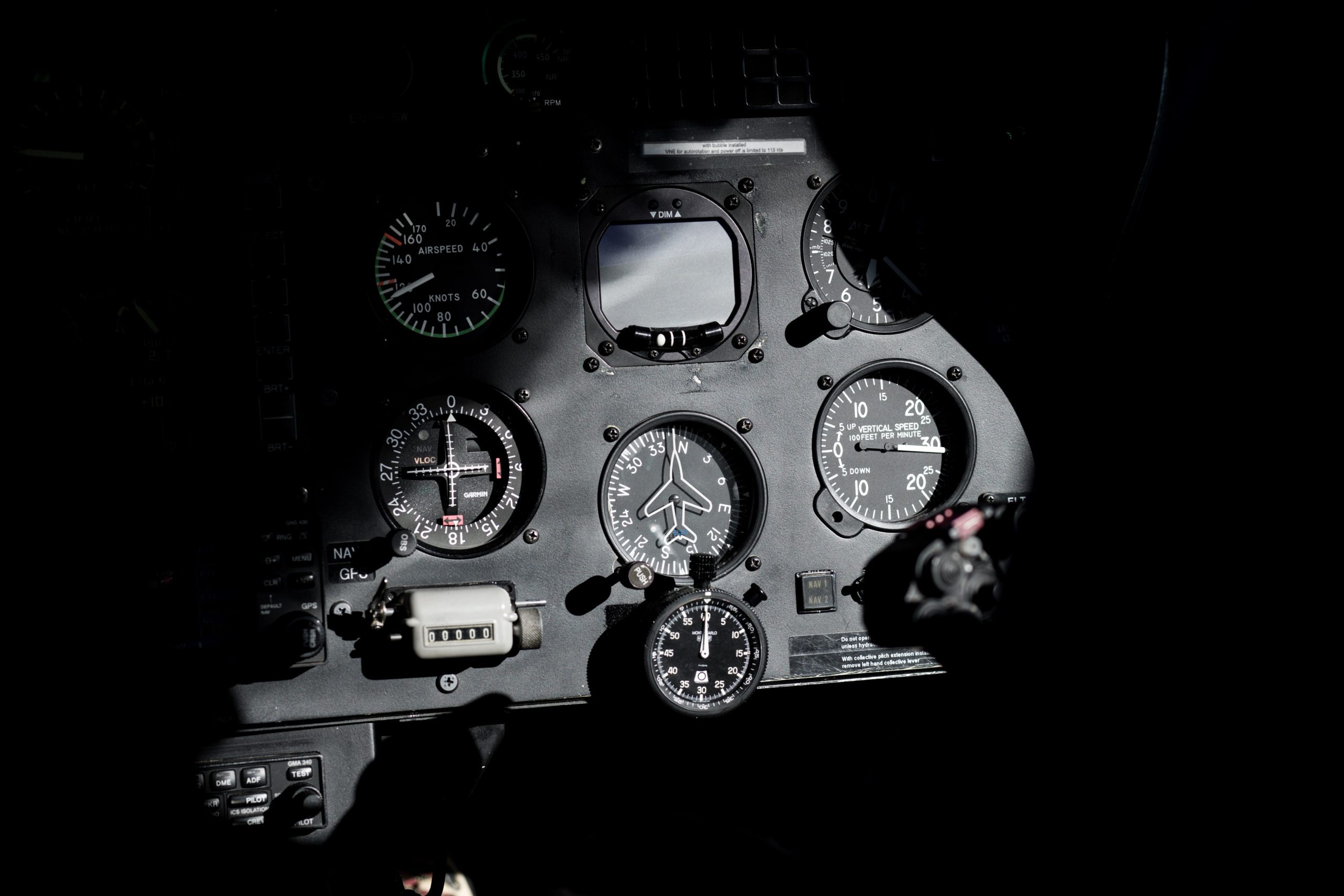
Summer 2026 Air Travel
The Surge in Air Travel
The summer of 2026 marks a significant increase in air travel activity, resulting in notably crowded skies and busy airports. A combination of factors—including a rebound in post-pandemic travel, economic recovery encouraging leisure trips, and major events—has contributed to this surge. A report by NPR on July 1, 2026, shed light on the scale of this increase.
Operational Challenges
This influx presents several operational challenges across the aviation sector:
- Airlines are frequently operating at or near full capacity on popular routes, creating a seating shortage.
- Airport terminals are experiencing longer queues and congestion, putting pressure on infrastructure.
- Air traffic controllers are managing a higher volume of flights, requiring heightened coordination and precision.
Addressing Challenges
These conditions have pushed major U.S. airports toward their operational limits, with airlines facing staffing shortages and travelers encountering delays and crowded conditions akin to peak rush hour transit.
To address these challenges, improvements are essential:
- Infrastructure upgrades, including airport expansions and technology enhancements, can streamline passenger processing and security.
- Increasing workforce staffing—such as air traffic controllers and ground personnel—will support more efficient operations.
- Implementing advanced technologies for scheduling, real-time passenger updates, and AI-driven operational management can enhance reliability.
Preparation and Recommendations
Travelers can prepare by allowing extra time at airports, monitoring flight statuses through official apps, and remaining flexible with travel plans and routes. Airlines and airports are encouraged to prioritize hiring, foster close collaboration among teams, and maintain clear, timely communication with passengers to minimize disruptions.
Regulatory Actions
Regulatory bodies are also reviewing policies to alleviate operational pressures and maintain safe, orderly air traffic.
Conclusion
In summary, the high demand during summer 2026 calls for resilience and adaptation across the aviation ecosystem. By focusing on infrastructure, staffing, technology, and communication, the industry can navigate these challenges and work toward more efficient and comfortable air travel experiences.